


Weather is one of the few forces that constantly changes demand at your property, and it can shift in an instant. Rain changes how long drivers stay, snow cuts volume and pushes drivers to find covered parking, and seasonal patterns reshape your demand each quarter.
But most parking operations can’t effectively monitor or respond to changes in weather patterns.
Operators who understand and track how weather impacts demand can adjust pricing, anticipate slow periods, and capture more revenue when conditions work in their favor.
The impacts of weather on parking demand.
In our article on parking demand, we break the primary demand drivers down into categories that help explain whether they’re factors you can influence or respond to. While internal drivers are typically “levers” that you can control, weather is a great example of an external driver (e.g., a force that requires responsiveness).
However, your responsiveness is dependent on your understanding of why, how, and when weather shapes driver behavior.
Researchers who study parking have identified key trends in how certain weather patterns change parking demand. Their findings highlight just how significantly demand and consumption can shift, as shown in the following examples:
- Snow disruptions include drops in income, changes in average stay length, and shifts in payment behavior, according to a study of on-street commercial parking.
- Moderate rain tends to make drivers stay longer, while heavy rain actually shortens stays compared to clear days, as shown in urban parking research.
- A multi-day rain stretch moves drivers toward certain facility types (e.g., garages) and away from options that might be less expensive but also less convenient.
- Factoring in weather variables like temperature and rainfall improved occupancy predictions in a Transportation Research Board study of short-term parking occupancy.
- Severe weather (storms, extreme heat, etc.) can cause equipment failure and downtime.
For most properties, the impacts of weather on parking demand will show up in 3 distinct ways, each on a different timeline.
Day-to-day changes
A surprise rainstorm mid-week is the clearest example. Some drivers cut their trip short to beat the storm, reducing dwell time and turning over spaces faster than usual. Other drivers sit tight because walking back to their car in a downpour is inconvenient. Meanwhile, covered spaces suddenly look a lot more attractive than the open lot down the street. On a normal day those two facilities might compete on price. But on a rainy day they may not really compete at all.
Seasonal patterns
Cold, wet winters push people away from walking, biking, and transit as more commuters and visitors opt to drive and park. Mild spring and fall weather flips this trend, extending some seasonal patterns. If your rates don't move with those seasons, you're likely either underpricing your busiest months or charging too much when volume naturally wanes.
Longer climate trends
Some markets are seeing sustained shifts beyond normal seasonal variation, including longer heat waves, wetter winters, and more unpredictable cold snaps. Changing weather and climate conditions can shape travel behavior, including parking decisions.
What does this mean for your facility?
There are two critical variables that move as weather changes:
- The number of people that will park. Bad weather drives more people to their cars instead of walking or taking transit. Severe weather, heavy snow, or dangerous heat can suppress demand entirely if travel is risky or difficult.
- Where people choose to park. Covered parking can command a real premium on rainy and snowy days that it doesn't carry on clear ones. Additionally, facilities that are closer to the driver's end destination are more likely to take priority.
How to use weather to your advantage.
Most facilities treat weather as an explanation for a bad week rather than a credible, actionable signal. Properties that consistently capture weather-driven demand follow three practices:
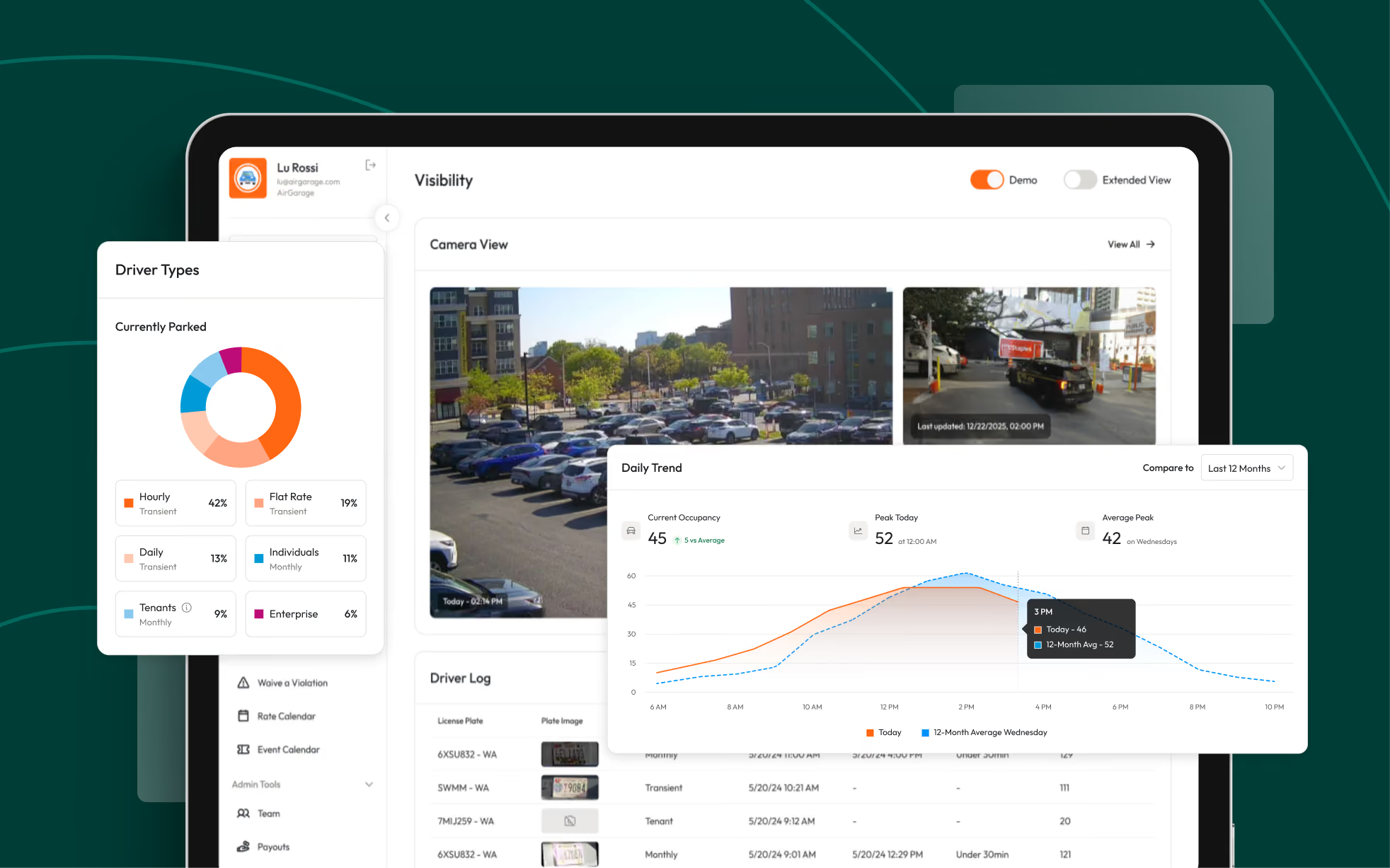
- Monitor conditions alongside occupancy. Watch how your drivers are reacting, not just what the forecast says. Are covered spaces filling faster during rain? Is occupancy lower on stormy afternoons? Those patterns show you where demand is concentrating and how much room you have on price.
- Adjust pricing as conditions shift. When a storm arrives and covered demand climbs, your rates should reflect that. When good weather softens transient demand, a modest price adjustment siphons demand from nearby competitors.
- Get ahead of what you can predict. Seasonal patterns are predictable enough to build into your pricing strategy before the season turns. For sudden weather events, 24 to 48 hours of lead time is usually enough to plan a test.
These practices are part of what makes a parking management approach proactive, not reactive. And there are other systems, technologies, and management principles that help to remove guesswork and automate responsiveness to external demand drivers (e.g., dynamic pricing). The best approach is one that looks ahead to spot changes before they arrive, outpacing competition and sustainably growing NOI.
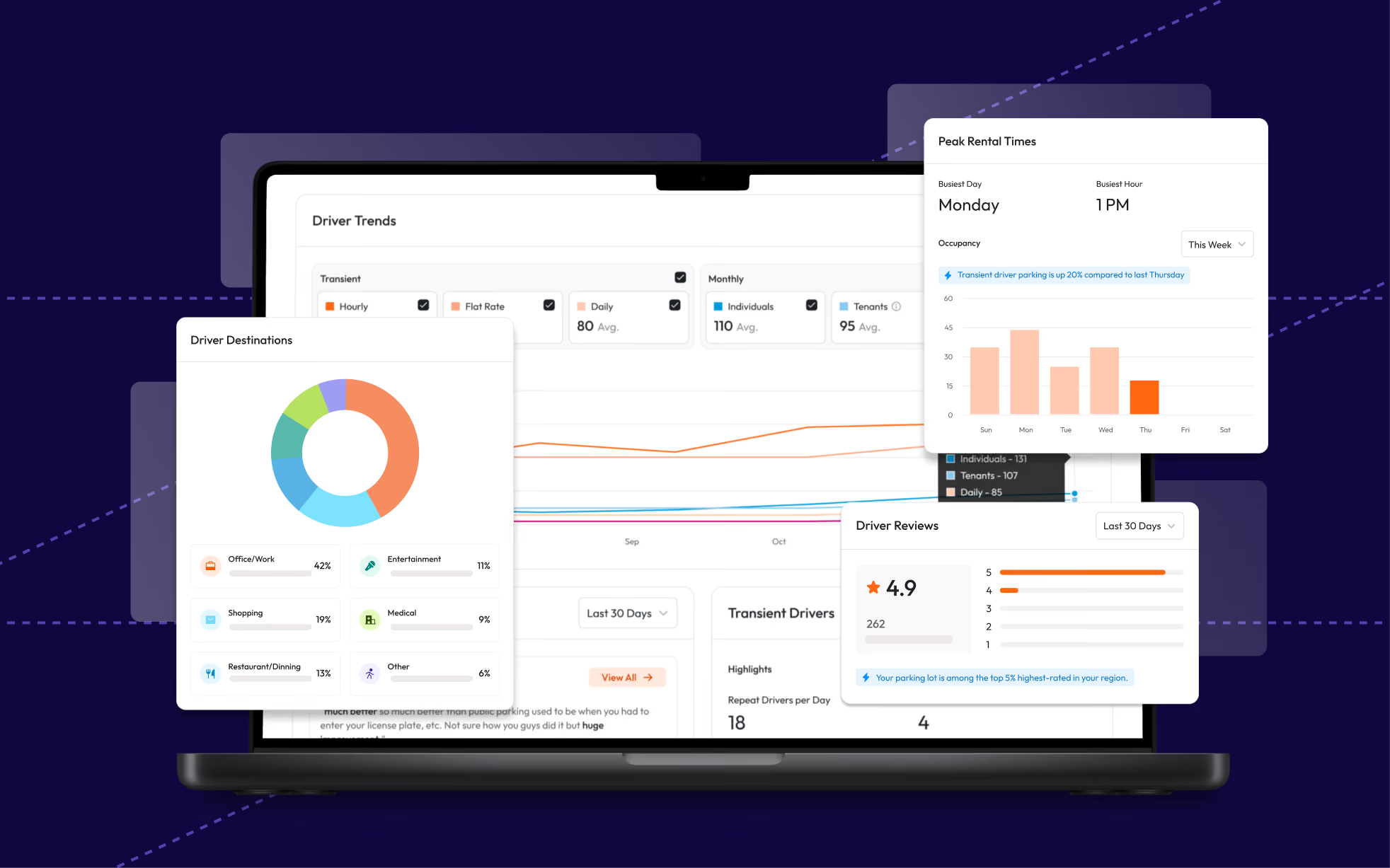
Learn more about our Local Intelligence Dashboard to see how AirGarage proactively monitors demand patterns and incorporates this data into real-time pricing strategy.
Discover Asset Intelligence
Connect with one of our parking experts to learn more about how AirGarage proactively drives revenue, eliminates operational burden, and gives owners real-time visibility into their asset's performance.