

If you own or manage a parking asset, your operator could be one of the biggest levers impacting your Net Operating Income (NOI). The challenge is to find a strong operator—one with confident, data-backed answers to show they're testing pricing, balancing demand, and finding missed revenue opportunities.
You need a partner that will unlock the full value of your asset, and not just keep the lights on or the equipment working. Whether you’re evaluating a new vendor or prepping for a renewal, the 7 questions below will help you see through the sales pitch and clearly evaluate any parking operator’s approach.
Question 1: How do you set, test, and determine the best pricing for my property?
Pricing affects revenue performance more than any other single factor, and it shouldn’t only be based on a quick review of nearby competitors. You should understand not just what your rates are today, but also how your operator decides those rates, how often they test changes, and how they protect your repeat customer base while optimizing revenue.
Look for an operator who can:
- Walk you through their pricing strategy with specific examples of tests they've run
- Explain which levers they will adjust and why
- Explain how often they make changes based on your property's performance data
- Offer real dynamic pricing solutions to help maximize yield as demand shifts
Question 2: How are expenses, equipment, and pass-through costs managed and reported?
Strong top line revenue only translates to NOI growth if expenses stay controlled and transparent. Credit card fees, equipment maintenance, and technology costs can quietly eat into profits if they're not monitored and clearly reported.
Ask your operator to show you:
- Which expenses hit your statements and their percentage of gross revenue
- Equipment uptime metrics and replacement schedules (if your facility isn’t gateless)
- What they're doing to reduce operating costs over time
Question 3: Do you charge service fees? If so, who keeps that money?
As more operators move to QR codes and mobile payments, parking fees for things like "Service," "Convenience," and "Technology" are showing up everywhere. But it’s often unclear how fees are calculated, when they’re added, and how they hit the bottom line. This is especially frustrating when operators directly pocket surplus revenue from fees while passing the costs to customers. You have an opportunity to make sure those fees enhance the customer experience while driving revenue in a transparent way.
You want clear answers on:
- Fees drivers pay, how they’re calculated, and how they appear on their receipts
- Exactly how that revenue is split between you and them
- Historical data on what these fees have generated over the past year
Question 4: How are you, as the operator, actually incentivized?
The way your operator earns money shapes their management decisions. Management fees, revenue shares, service fee income, and enforcement revenue can all pull behavior in different directions.
They should be ready to discuss:
- Parking agreement structure
- Where each dollar of their income comes from, in plain language.
- How that structure aligns with your goals for NOI growth and occupancy optimization
- How their incentives encourage customer satisfaction and long-term performance
Question 5: How can I get insight into performance and activity at my property?
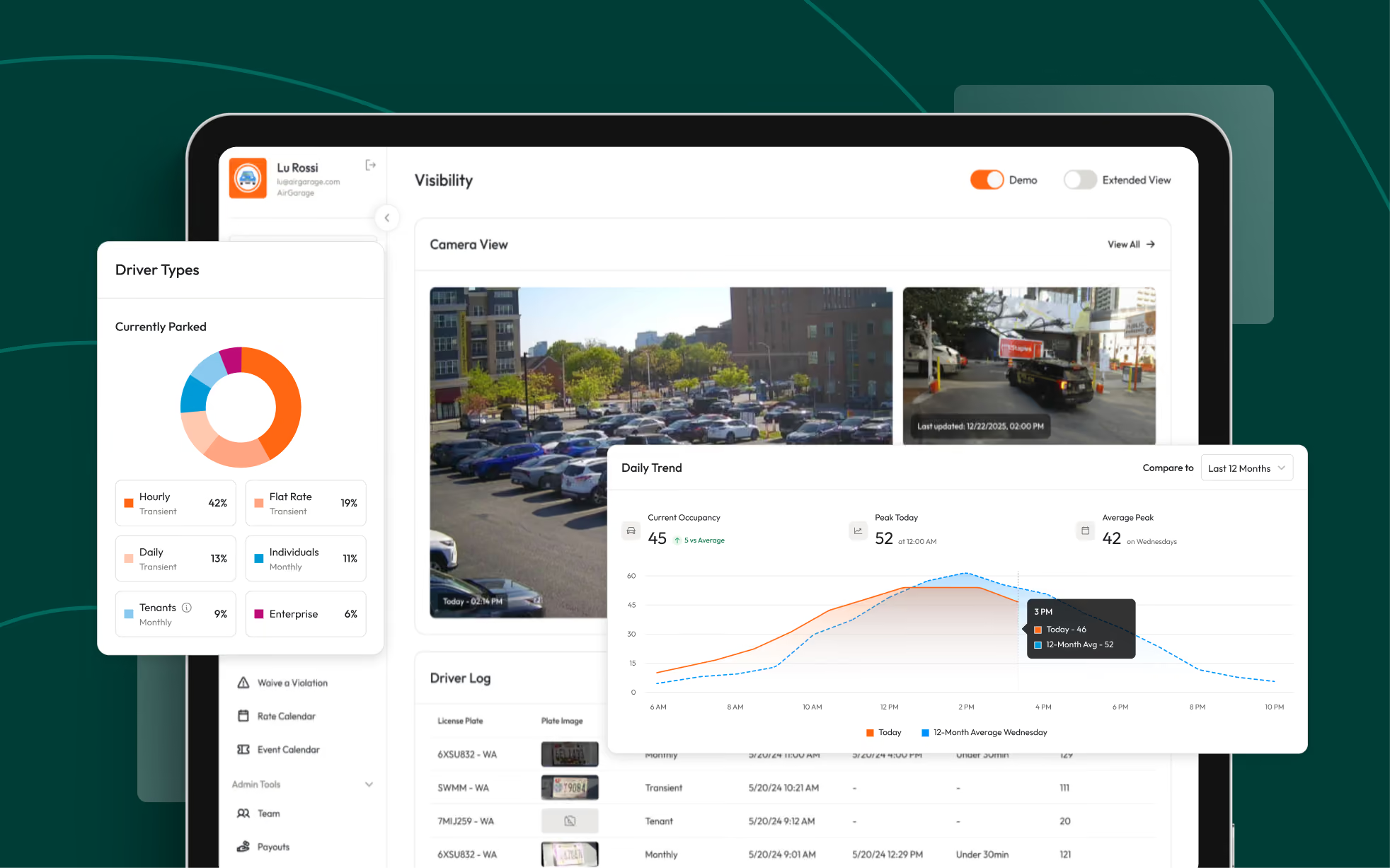
You’ve probably heard us say it before, but monthly statements are a lagging measurement, and they don't give you an up-to-date view. Without better visibility, it’s pretty much impossible to understand why revenue changed (or test assumptions), how your facility is performing right now, or where opportunity is hiding. Real-time access to your parking data can help you see easily-missed trends, respond proactively, and make informed decisions without waiting for end-of-month reports.
Look for an operator who provides:
- Self-serve dashboard access, not reports you have to request
- Real-time or daily data updates, not just monthly snapshots
- Transaction-level detail beyond aggregated totals
- Visibility into enforcement actions, maintenance, and incidents as they occur
- The ability to drill down from trends into specific drivers or time periods
Question 6: How do you handle enforcement in a gateless environment?
In a gateless model, your operator relies on technology like License Plate Recognition (LPR), on-site monitoring sweeps, and low-touch policies (e.g., ticket mailing after the session) to encourage payment and prevent overstays. The way they handle enforcement affects your brand, your tenant relationships, and whether drivers come back. Jumping straight to towing or booting doesn’t help revenue or customer ratings.
The best operators can explain:
- Their grace period policy and how they handle overstays before issuing citations
- How citation revenue is reported on your statements
- Compliance rates across similar properties they operate
Question 7: How do you balance transient, daily, and monthly parking to maximize revenue?
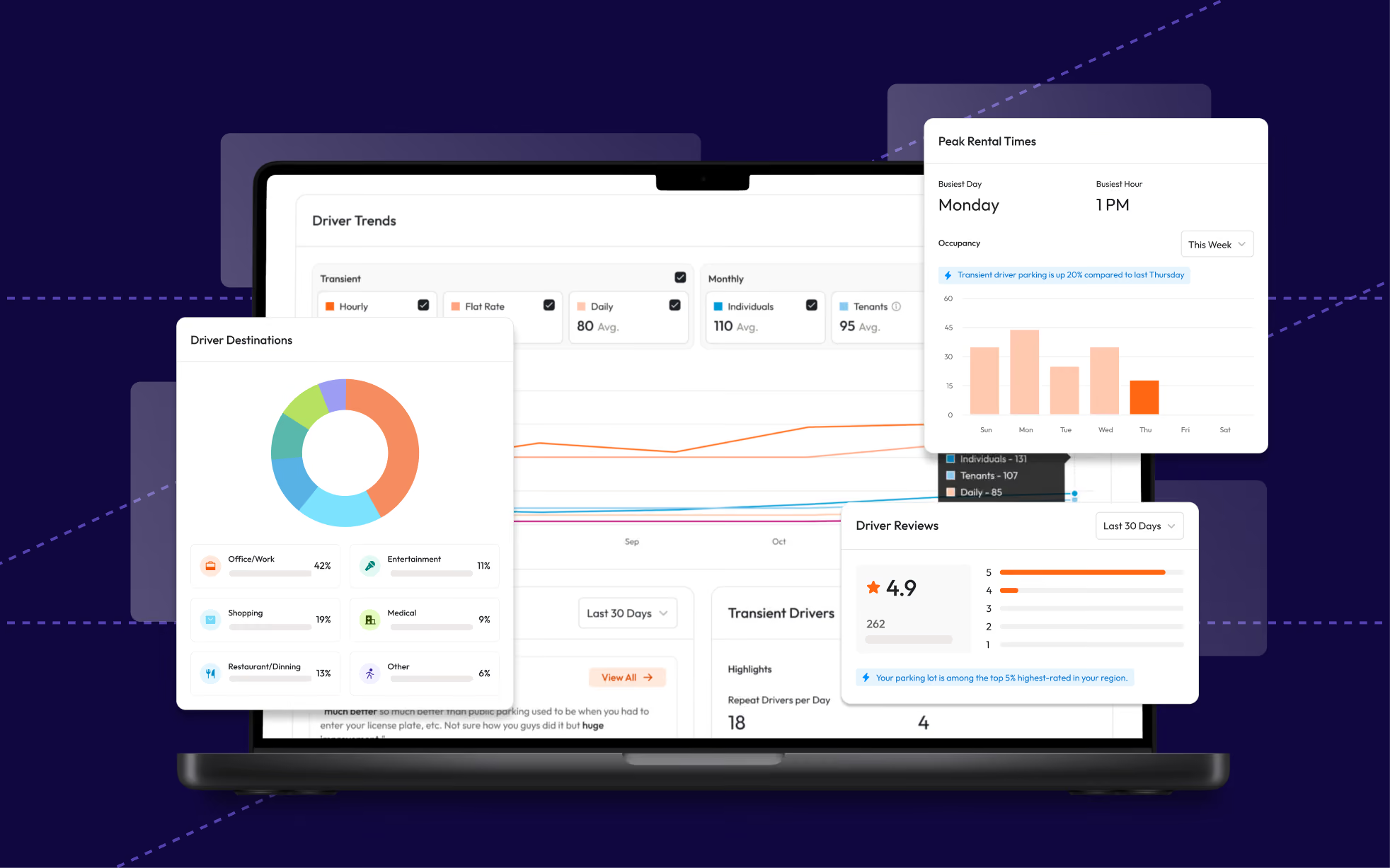
Online booking channels, tenant contracts, and monthly passes can unlock new demand, or they can lock in too much discounted inventory. Your operator should have a clear strategy for how much capacity is allocated to each segment and how that mix is adjusted as demand shifts.
Strong answers include:
- Their recommended allocation by segment and how they monitor usage patterns
- What triggers them to shift inventory between channels
- How they fill unused capacity when demand softens
- How often (and why) they adapt pricing and spaces on the top online booking sites
Get the full evaluation guide

Our Parking Operator Evaluation guide turns these 7 big questions into a practical evaluation tool that shows you exactly where your operator excels and where you might be leaving revenue on the table.
Download the complete guide to go (a lot) deeper on this topic with 40+ detailed sub-questions for the sharpest insight and clearest comparison possible. The guide is a practical aid for you during operator reviews, renewals, or RFP processes.
Discover Asset Intelligence
Connect with one of our parking experts to learn more about how AirGarage proactively drives revenue, eliminates operational burden, and gives owners real-time visibility into their asset's performance.